

506(b) vs 506(c): What’s the Difference for Real Estate Syndicators?
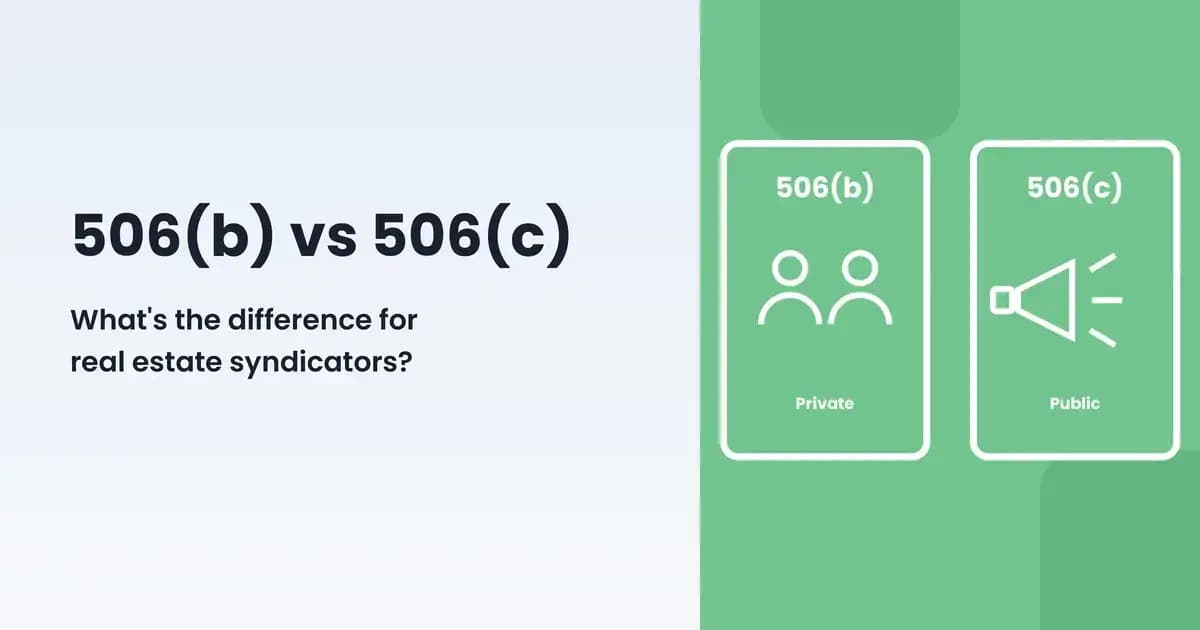
Before a syndicator raises a dollar, one structural question shapes everything downstream: is this offering 506(b) or 506(c)? The answer determines who you can talk to, how you can find investors, and what paperwork the raise requires. In short, 506(b) lets you raise privately from people you know with light verification. Meanwhile, 506(c) lets you advertise publicly but restricts you to accredited investors who document their status. This guide is an educational overview of the difference, not legal advice.
What They Have in Common
Both are legal ways to raise money privately for a real estate deal. Both use real offering documents prepared by an attorney. In practice, they work the same way on almost everything. The one place they differ: how you’re allowed to find and accept investors.
506(b): Raising From People You Know
A 506(b) offering is the traditional private raise. The defining rule is no general solicitation. That means no public advertising: no ads, no social media posts about the deal, no announcing the raise from a webinar stage to strangers. Instead, you raise from your existing network, people with whom you have a pre-existing relationship.
In exchange for staying private, 506(b) offers two kinds of flexibility. First, verification is lighter. Accredited investors can generally self-certify, typically through a questionnaire, without handing over financial documents. Second, a 506(b) offering can accept a limited number of non-accredited investors, up to 35, provided they’re financially sophisticated. In practice, that’s how a syndicator’s longtime friend or family member who doesn’t meet the accredited thresholds can still participate. However, taking non-accredited money comes with additional disclosure obligations, which is one of the many details your attorney will walk you through.
The tradeoff is reach. Your investor pool is your network. If your network is deep, 506(b) is comfortable and low-friction. If it isn’t, the raise moves slowly.
506(c): Raising in Public
A 506(c) offering removes the muzzle. You can advertise the deal openly: run ads, post about it, promote it in newsletters and webinars, and reach investors you’ve never met. For syndicators building an audience through content and marketing, this is the structure that makes the funnel legal.
The price of that reach is a harder gate at the door. Every investor in a 506(c) offering must be accredited, with no exceptions for sophisticated friends. And self-certification isn’t enough. The issuer must take reasonable steps to verify accreditation, which in practice means documentation: recent tax returns or W-2s to show income, statements to show net worth, or a verification letter from the investor’s CPA, attorney, or broker-dealer. Accreditation generally means an individual earning $200,000 a year ($300,000 jointly) or holding $1 million in net worth excluding their primary residence, though the full definition has more paths than that.
Some investors find the documentation step invasive, and some walk away over it. That friction is real, and it’s part of the calculation.
The Real Tradeoff
Strip away the rule numbers and the choice looks like this. 506(b) trades reach for ease: a private raise, lighter verification, room for a few non-accredited investors, and a pool limited to people you already know. 506(c) trades ease for reach: advertise to anyone, but accept only accredited investors who prove it with paperwork.

That’s why the decision usually tracks how a syndicator actually finds investors. Raisers whose capital comes from personal relationships, referrals, and repeat LPs tend to fit 506(b). Raisers building a public brand and marketing to a growing list are the ones 506(c) exists for. We covered that marketing-driven approach to finding investors in Best Tools for Capital Raisers, and it’s worth noting plainly: most of that playbook only works under 506(c).
Where the Choice Shows Up in Your Operations
The structure you pick becomes a daily operational reality. A 506(c) raise means collecting and tracking accreditation evidence for every investor, and being able to show your work. A 506(b) raise means keeping your solicitation clean and your questionnaires organized. Either way, investor status, documents, and offering records need to live somewhere more reliable than an inbox.
That’s the part Cash Flow Portal is built for. The investment funnel collects investor questionnaires and documents as part of the commitment process, accreditation status is tracked on the investor’s profile, and the offering’s paper trail stays organized in one system. How the platform fits your specific offering type is a good demo question, ideally asked after your attorney has told you which type you’re running.
The Short Version
506(b) is private: raise from people you know, lighter verification, a little room for non-accredited investors. 506(c) is public: advertise freely, accredited investors only, documented proof required. Neither is better in the abstract. The right one depends on where your capital actually comes from. This article is education, not legal advice, so treat it as the vocabulary for the real conversation.
About the author

Alex Field
Born into a real estate family, passionate about all things CRE
Related posts

Investor Email Engagement: How to Re-Engage Your Network
By Alex Field | 08/24/26 | Announcements
Every capital raiser notices it eventually. The network feels quieter than it used to. Emails that once drew replies now draw silence, and people who used to engage have drifted. Low investor email engagement is one of the most common problems capital raisers run into, and it tends to surface at the worst time: right […]
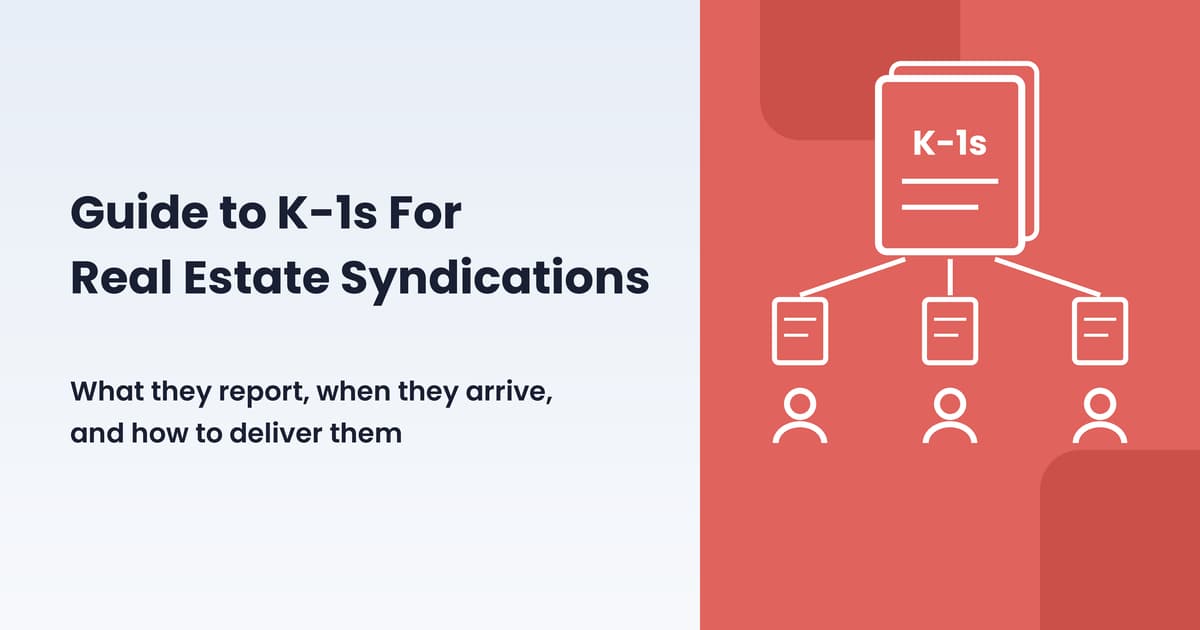
Guide to K-1s for Real Estate Syndications
By Alex Field | 08/10/26 | Announcements
Every investor in a syndication gets a K-1, and every GP has to deliver them. For such a routine form, K-1 season causes a lot of pain on both sides. LPs wait on documents to file their taxes. GPs match hundreds of PDFs to the right people. This guide covers K-1s for real estate syndications: […]
What Is a Feeder Fund? A Guide for Real Estate Investors
By Alex Field | 08/06/26 | Announcements
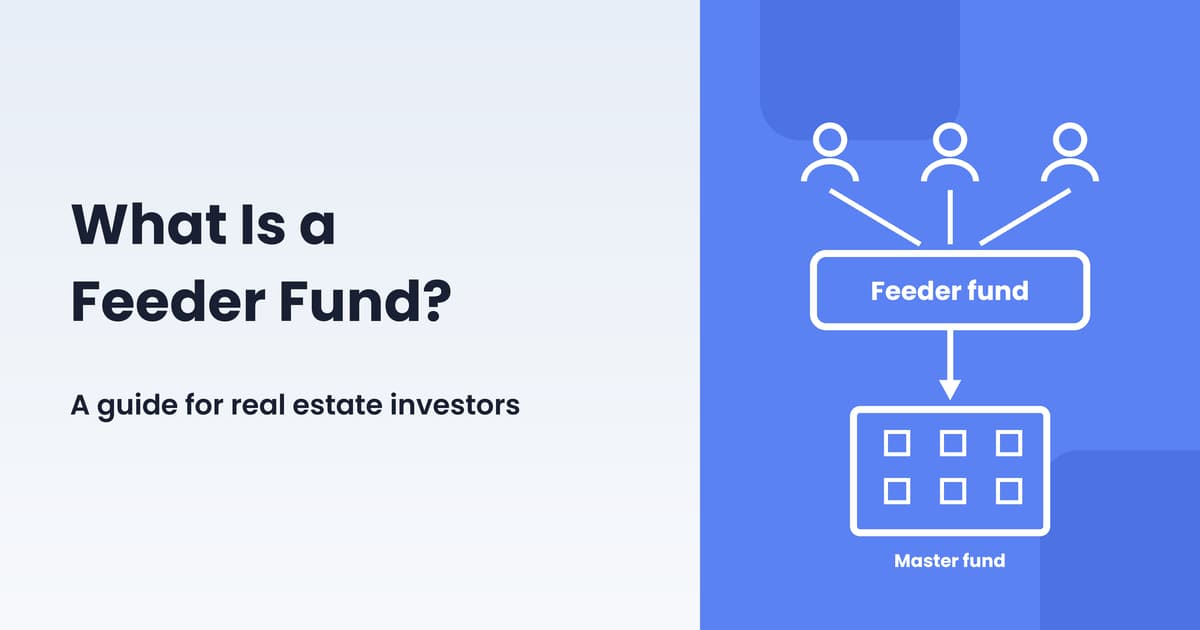
A feeder fund is an investment vehicle that pools capital from investors and invests that capital into another fund, called a master fund. That’s the whole mechanism. What makes it worth understanding is what the structure unlocks for sponsors, capital raisers, and investors. So this guide covers how feeder funds work. It also covers how […]
Most popular posts
 AI for Capital Raisers07/08/26 | Guides for syndicators
 Best CRM for Capital Raisers07/01/26 | Guides for syndicators
 The 10 Hottest Cities to Invest in Real Estate Before 202507/20/22 | Announcements
 Bonus Depreciation for Real Estate Professionals09/09/21 | Passive investor guides
 Free tools to help you develop your real estate syndication blog in 202108/06/21 | Guides for syndicators
Categories


 Seattle, WA








Support
Contact usProducts
Capital raising
Why Cash Flow PortalEquity raising simplifiedFunds on Cash Flow PortalCo-sponsorsCustom brandingProperty management
BookkeepingBank syncQuickbooks integrationReportsOwner portalMaintenanceApplications & eSignTenant screeningCRMRent collectionTenant portalCommunicationFund admin
Fund administrationInstitutional fund administrationSPVsFund admin servicesIntegrated CPA servicesBanking
Integrated bankingLeads
New leads©2026 All rights reserved. Cash Flow Portal Inc.