

Guide to K-1s for Real Estate Syndications
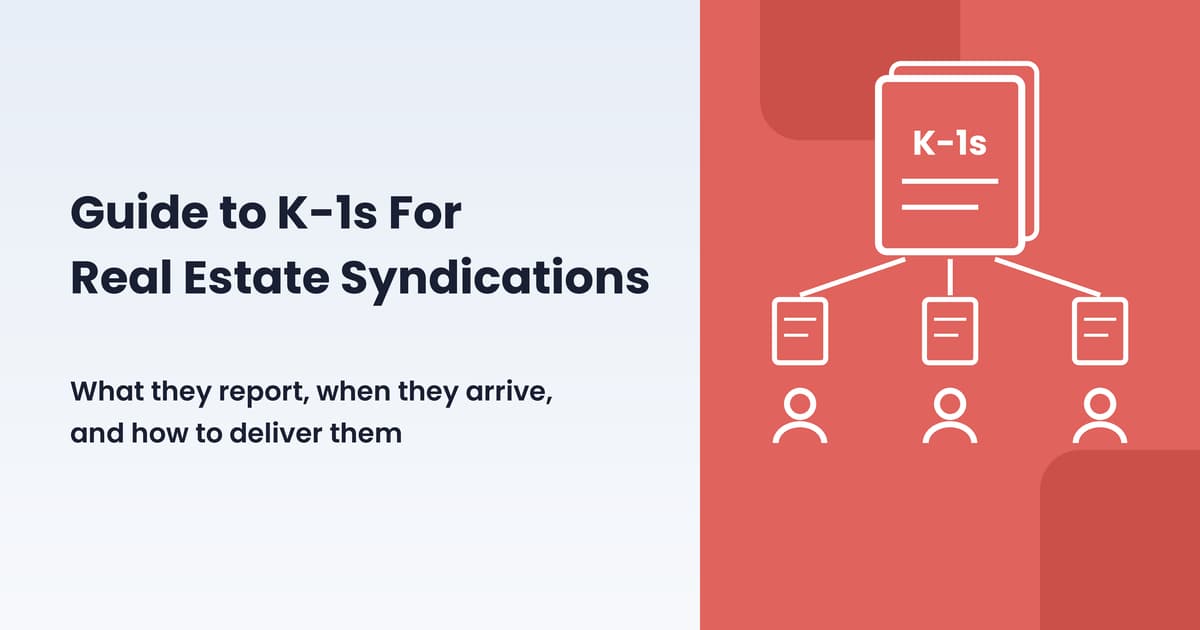
Every investor in a syndication gets a K-1, and every GP has to deliver them. For such a routine form, K-1 season causes a lot of pain on both sides. LPs wait on documents to file their taxes. GPs match hundreds of PDFs to the right people. This guide covers K-1s for real estate syndications: what they are, when they arrive, what goes wrong, and how Cash Flow Portal handles K-1s.
What Is a K-1?
Most syndications don’t pay income tax as a company. Instead, the tax flows through to the investors, and each investor pays tax on their share of the deal’s results. The K-1 is the form that tells each investor what their share was for the year. The syndication sends one K-1 to every investor, every year. Investors don’t file the K-1 itself. They hand it to their CPA, who uses it to prepare their tax return.
The math adds up fast. An LP in three deals gets three K-1s. A GP with 100 LPs across four deals produces 400. If you already produce K-1s every March, skip ahead to the timeline. The next section is mostly for your investors.
What to Tell Your Investors
The question LPs ask most is why the numbers don’t match. The cash they received during the year and the income they owe tax on are two different numbers. In real estate, they often look very different. Thanks to depreciation, a deal can pay investors cash all year and still show a loss on paper. So an investor can receive distributions all year while their K-1 reports a loss. That’s a common feature of real estate investing, not necessarily an error. How it affects any individual investor depends on their specific tax situation, so they should consult their CPA.
Steal that explanation for your next investor email. It will save you three phone calls every spring.
The K-1 Timeline for Real Estate Syndications
Syndications must file their tax returns by March 15. In practice, many file an extension instead, which moves the deadline to September 15. K-1s go out whenever the accountants finish the return. That’s why LPs in syndications routinely extend their own returns: they can’t finish filing until the last K-1 arrives, and the last one often lands after April 15. GPs who deliver early earn real goodwill. Every late K-1 has an investor’s tax filing stuck behind it.

Why K-1 Season Hurts
For the GP, the job is getting every K-1 to exactly the right person. That’s harder than it sounds. The same investor might be in one deal personally and in another through an IRA or LLC, and each of those gets its own K-1. Draft versions and corrected versions pile on top. Then there’s delivery. K-1s carry Social Security numbers, so emailing PDF attachments around is risky as well as tedious. Get it wrong and the worst case is ugly: an investor opens a document with someone else’s SSN on it.
For the LP, the pain is simpler. They wait for the last sponsor to deliver, email to ask where things stand, and dig through old inboxes for last year’s documents.
How Cash Flow Portal Handles K-1s
Cash Flow Portal started here. The product originally launched to make sharing K-1s with LPs easy, and the rest of the platform grew up around it.
Delivery works in bulk. You upload all of a deal’s K-1s at once, and the Smart share feature reads each document and suggests which investor it belongs to. It doesn’t pretend to read everything. Any K-1 it can’t match stays unassigned, and you assign it by hand. Then, before you can confirm, the system checks that every investor in the deal has exactly one K-1, and flags anyone with none or several. That check is aimed at the worst mistake in tax season: the K-1 sent to the wrong person.
Two safeguards are worth knowing. First, investors only see documents after you confirm the assignments. Second, confirming doesn’t email anyone. Sending the notification is a separate step, with an email you review first. So nothing goes out until every document is with the right person. The full step-by-step is in the K-1 upload guide.
On the investor side, LPs get a tax center where they find their own K-1s and past documents. “Where’s my K-1?” emails turn into investors helping themselves from their dashboard.
One thing to plan for: your investors have to be in the system before K-1s can be matched to them. If you’re coming from spreadsheets or another portal, the Cash Flow Portal team works with you to bring your investors and documents over. Ask what the timeline looks like for a base your size. Tax season never moves, so start that conversation well before March.
Make Tax Season a Non-Event
K-1s are unavoidable. The scramble isn’t. Matching, checking, secure delivery, and investor self-service are exactly the kind of work software should absorb. K-1s are also one piece of the bigger back office of a raise, which we covered in Best Tools for Capital Raisers. If tax season is the part of the year you dread, it’s worth seeing how K-1 sharing works on your own deals.
About the author

Alex Field
Born into a real estate family, passionate about all things CRE
Related posts

Investor Email Engagement: How to Re-Engage Your Network
By Alex Field | 08/24/26 | Announcements
Every capital raiser notices it eventually. The network feels quieter than it used to. Emails that once drew replies now draw silence, and people who used to engage have drifted. Low investor email engagement is one of the most common problems capital raisers run into, and it tends to surface at the worst time: right […]
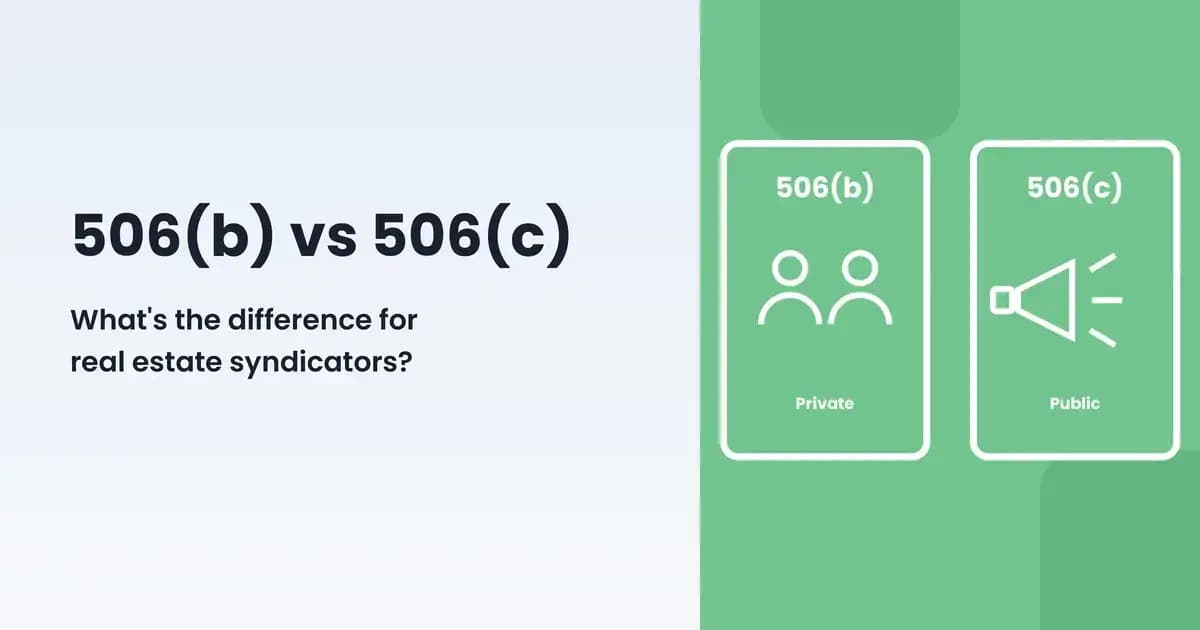
506(b) vs 506(c): What’s the Difference for Real Estate Syndicators?
By Alex Field | 08/21/26 | Announcements
Before a syndicator raises a dollar, one structural question shapes everything downstream: is this offering 506(b) or 506(c)? The answer determines who you can talk to, how you can find investors, and what paperwork the raise requires. In short, 506(b) lets you raise privately from people you know with light verification. Meanwhile, 506(c) lets you […]
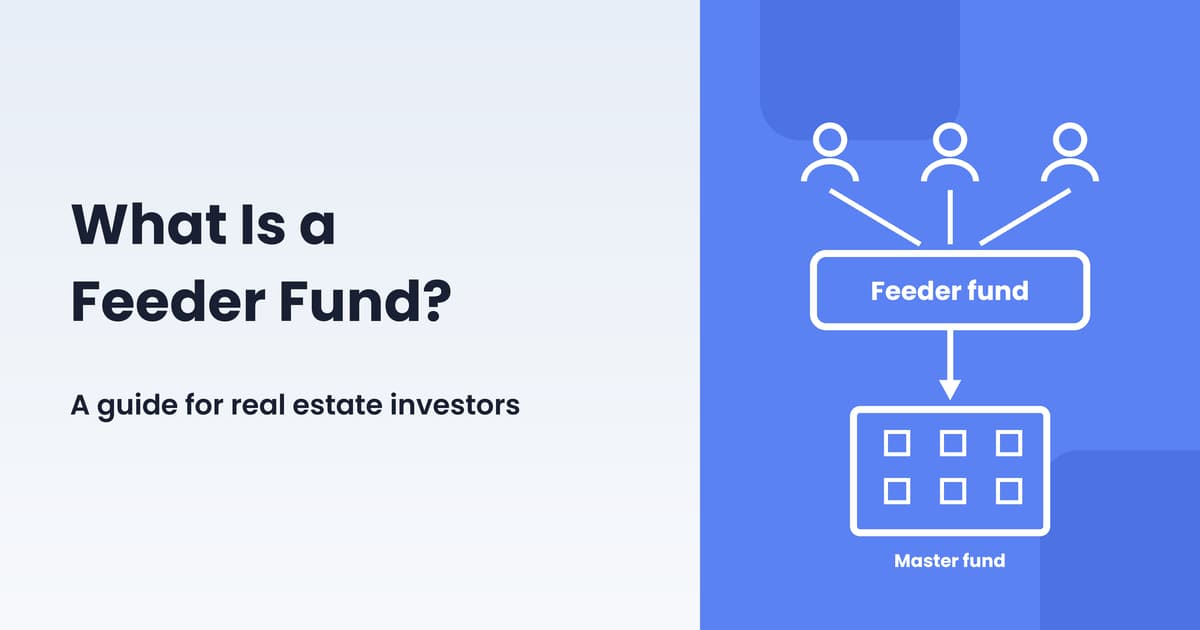
What Is a Feeder Fund? A Guide for Real Estate Investors
By Alex Field | 08/06/26 | Announcements
A feeder fund is an investment vehicle that pools capital from investors and invests that capital into another fund, called a master fund. That’s the whole mechanism. What makes it worth understanding is what the structure unlocks for sponsors, capital raisers, and investors. So this guide covers how feeder funds work. It also covers how […]
Most popular posts
 AI for Capital Raisers07/08/26 | Guides for syndicators
 Best CRM for Capital Raisers07/01/26 | Guides for syndicators
 The 10 Hottest Cities to Invest in Real Estate Before 202507/20/22 | Announcements
 Bonus Depreciation for Real Estate Professionals09/09/21 | Passive investor guides
 Free tools to help you develop your real estate syndication blog in 202108/06/21 | Guides for syndicators
Categories


 Seattle, WA







Support
Contact usProducts
Capital raising
Why Cash Flow PortalEquity raising simplifiedFunds on Cash Flow PortalCo-sponsorsCustom brandingProperty management
BookkeepingBank syncQuickbooks integrationReportsOwner portalMaintenanceApplications & eSignTenant screeningCRMRent collectionTenant portalCommunicationFund admin
Fund administrationInstitutional fund administrationSPVsFund admin servicesIntegrated CPA servicesBanking
Integrated bankingLeads
New leads©2026 All rights reserved. Cash Flow Portal Inc.