

Investor Email Engagement: How to Re-Engage Your Network
Every capital raiser notices it eventually. The network feels quieter than it used to. Emails that once drew replies now draw silence, and people who used to engage have drifted. Low investor email engagement is one of the most common problems capital raisers run into, and it tends to surface at the worst time: right before a raise, when you need your network paying attention. The good news is that engagement is rebuildable. This guide covers why people tune out, what to send instead, and how to turn email activity into stronger relationships before your next deal. The advice applies to your current investors and to prospective ones still deciding, and where the two differ, we’ll say so.
Why Investors Stop Engaging
Investors and prospects rarely announce that they’re checking out. They just stop opening.
Almost always, the cause is one of two habits. The first is the generic update. If every email could have been sent to anyone, people learn that opening it earns them nothing. After a few of those, your name in the inbox means “safe to skip.” The second habit is worse: only reaching out when you need capital. If the only emails someone receives from you are asks, the relationship becomes transactional. You show up asking. They notice.
Both habits have the same root. The email list gets treated as a fundraising tool instead of a relationship channel. People respond in kind. They engage with senders who bring them something between raises, and they drift from senders who don’t. So the fix isn’t a better subject line. The fix is becoming a sender worth hearing from, consistently, whether or not a deal is open.
Send Emails People Actually Want
The test for every email is simple: does the reader get something out of opening it?
Market insights pass the test, and they work for everyone on your list, current investors and prospects alike. What you’re seeing in your market, how rates are affecting deals you’ve underwritten, why you’re passing on more deals than you’re taking. People read this because it makes them smarter, and it quietly demonstrates your judgment. Company news works too, in smaller doses: a new hire, a milestone, a lesson from a completed deal. It keeps you human between transactions.
Deal updates are different. For your current investors, updates on the deals they’re in are some of the most valuable email you can send. How the property is performing, what the business plan looks like in practice, what went wrong and how you handled it. Investors talk about sponsors who report the bad news plainly.
What fails the test for everyone is anything that reads automated or promotional. People can tell when an email exists to fill a calendar slot. One useful habit: before sending, ask what the reader would say if a friend asked “anything good in that email?” If the honest answer is no, don’t send it. Fewer, better emails beat a consistent stream of filler.
Personalize at Scale
Personal doesn’t mean writing every email by hand. It means sending people things that match who they are.
Start with what you already know. Which investors care about which markets. Who invests through an IRA and cares about tax treatment. Which prospect asked about a specific market last year. Who prefers quarterly summaries over monthly detail. Every past conversation is targeting data, if you record it somewhere you can use it.
Then segment. An email about the Dallas market should go to people who have shown interest in Texas, not your whole list. A note about depreciation should go to the tax-motivated crowd. Segmented emails feel personal because they are personal, just at the group level instead of one by one. Even simple touches help: referencing a current investor’s past deal, or opening a note to a prospect with “you asked about this last spring.” One sentence of genuine memory outperforms any template.
This is where tags, lists, and notes earn their keep. Personalization at scale is really just good record-keeping, pointed outward.
Stay Out of Spam and In Front of Your Network
None of this matters if the email never reaches the inbox. Deliverability sounds technical, but the practical rules are plain.
First, send to people who engage. Inbox providers watch how recipients treat your emails. When you keep mailing a list full of people who never open, providers read that as a signal that you’re not wanted, and they start routing you to spam for everyone, including your best investors. So prune. Slow down on the unengaged, and stop entirely on addresses that never respond.
Second, make it easy to leave. A clean unsubscribe protects you. The alternative is people marking you as spam, which damages your standing with every inbox provider at once. Related: let people unsubscribe from a topic rather than from you entirely. Some want deal announcements and nothing else. Losing them from the newsletter is fine. Losing them from the raise is not.
Third, be consistent. A list that hears from you monthly treats your email as expected. A list that hears nothing for a year and then gets an ask treats it as an intrusion, and so do the spam filters. Steady, relevant sending is what a healthy sender reputation is made of. There’s no trick beyond that: engaged lists, wanted content, regular rhythm.
Let Investor Email Engagement Guide Your Next Move
Every email you send comes back with information, if you look at it.

Opens and clicks are the basics. A current investor who opens everything and clicked your last two updates is telling you something. So is a prospect who hasn’t opened anything since last spring. Neither signal is perfect on its own, but the pattern over months is hard to misread. Interested people behave interested.
Use the signals to sort your follow-up. The prospect who clicked through to your website this week gets a personal note now, while the interest is warm. The investor whose engagement faded three months ago gets a different touch: a check-in with no ask attached, or a piece of content matched to what they used to click. And the person who has been dark for a year probably needs a phone call, not another email.
Timing matters as much as targeting. Engagement tells you not just who to contact but when. Reaching out within a day of a click lands very differently than reaching out cold. The raisers who do this well aren’t sending more email than everyone else. They’re reading the responses everyone else ignores.
Turn Engagement Into Stronger Relationships
The end goal isn’t a better open rate. It’s a warmer network on the day your next deal opens.
That happens when email activity connects to everything else you know. Communication history shows what you’ve discussed. Engagement shows what they care about right now. Notes and relationship history show where things left off. Put together, they change the quality of your conversations. Instead of calling someone cold, you’re calling an investor who clicked your Dallas update twice, asked about 1031 exchanges last fall, and hasn’t committed since your second deal. That’s not a cold call. That’s a conversation already in progress.
Before your next raise, work the list this way. Warm, engaged people hear from you first, personally. Fading ones get re-engaged early, months before the raise, with content and check-ins. Dark ones get triaged honestly: call the ones worth calling, and reduce outreach to the rest. A raise that opens to a sorted, warmed network moves faster than one that opens with a blast to everyone.
Where Your CRM Comes In
Everything above is a system: segments, notes, engagement tracking, and follow-up, working together. Running that system across hundreds of contacts is what a CRM is for, and it works best when the CRM actually knows who your investors are.
Cash Flow Portal’s CRM built for capital raisers keeps contacts, tags, lists, notes, and email metrics on the same profile as investment history. Email campaigns and email templates are supported natively as well, so the sending, the open and click tracking, and the investor records all live in one system. That’s what lets the sorting this article describes happen in one place, for prospects and current investors alike. We compared it to the general-purpose options in Best CRM for Capital Raisers if you’re weighing tools.
Low engagement is a signal, not a verdict. People drift when the emails stop being worth opening, and they come back when the emails change. Send things worth reading, watch who responds, and let that guide the relationship work. Do it for a few months before your next raise and the difference shows up where it counts: in how fast the deal fills.
About the author

Alex Field
Born into a real estate family, passionate about all things CRE
Related posts
506(b) vs 506(c): What’s the Difference for Real Estate Syndicators?
By Alex Field | 08/21/26 | Announcements
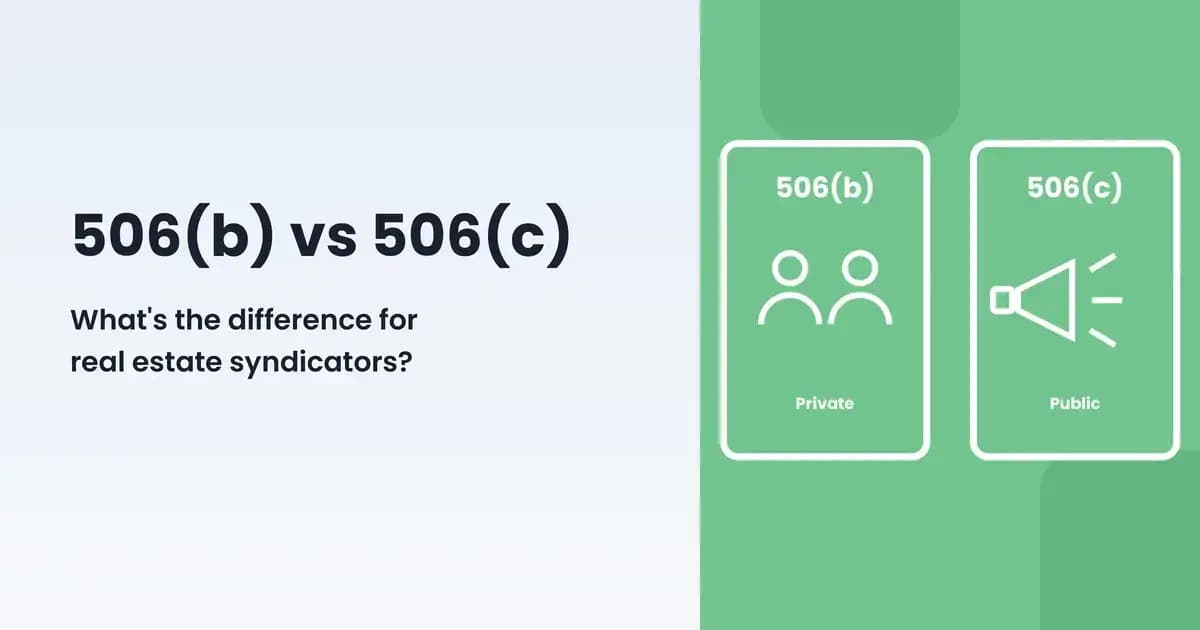
Before a syndicator raises a dollar, one structural question shapes everything downstream: is this offering 506(b) or 506(c)? The answer determines who you can talk to, how you can find investors, and what paperwork the raise requires. In short, 506(b) lets you raise privately from people you know with light verification. Meanwhile, 506(c) lets you […]
Guide to K-1s for Real Estate Syndications
By Alex Field | 08/10/26 | Announcements
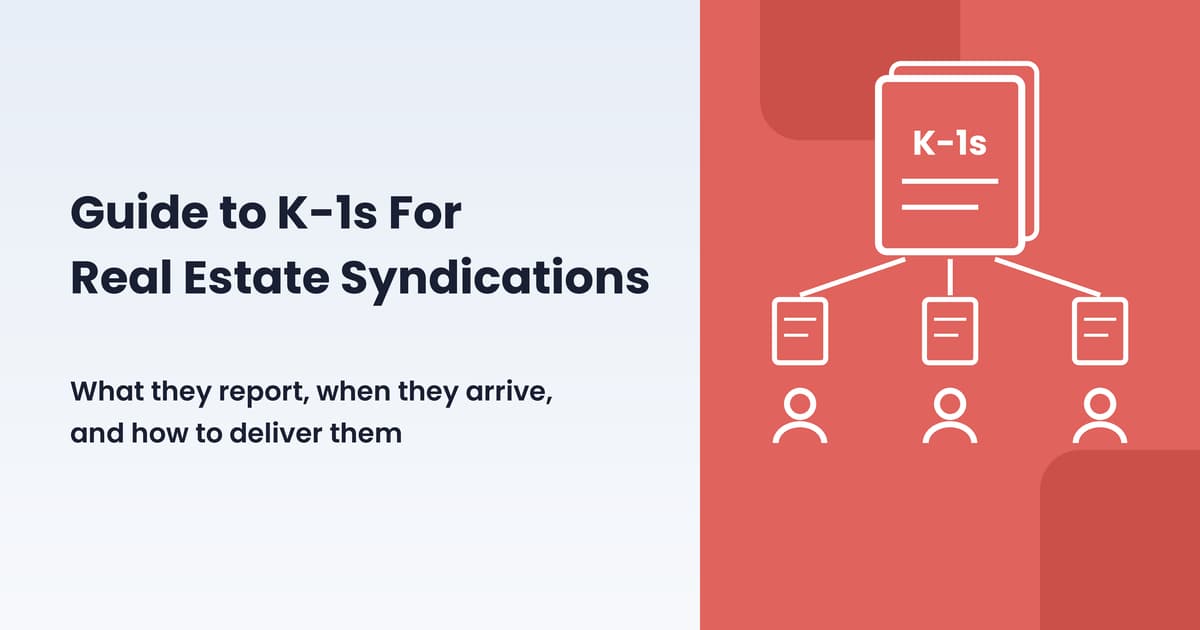
Every investor in a syndication gets a K-1, and every GP has to deliver them. For such a routine form, K-1 season causes a lot of pain on both sides. LPs wait on documents to file their taxes. GPs match hundreds of PDFs to the right people. This guide covers K-1s for real estate syndications: […]
What Is a Feeder Fund? A Guide for Real Estate Investors
By Alex Field | 08/06/26 | Announcements
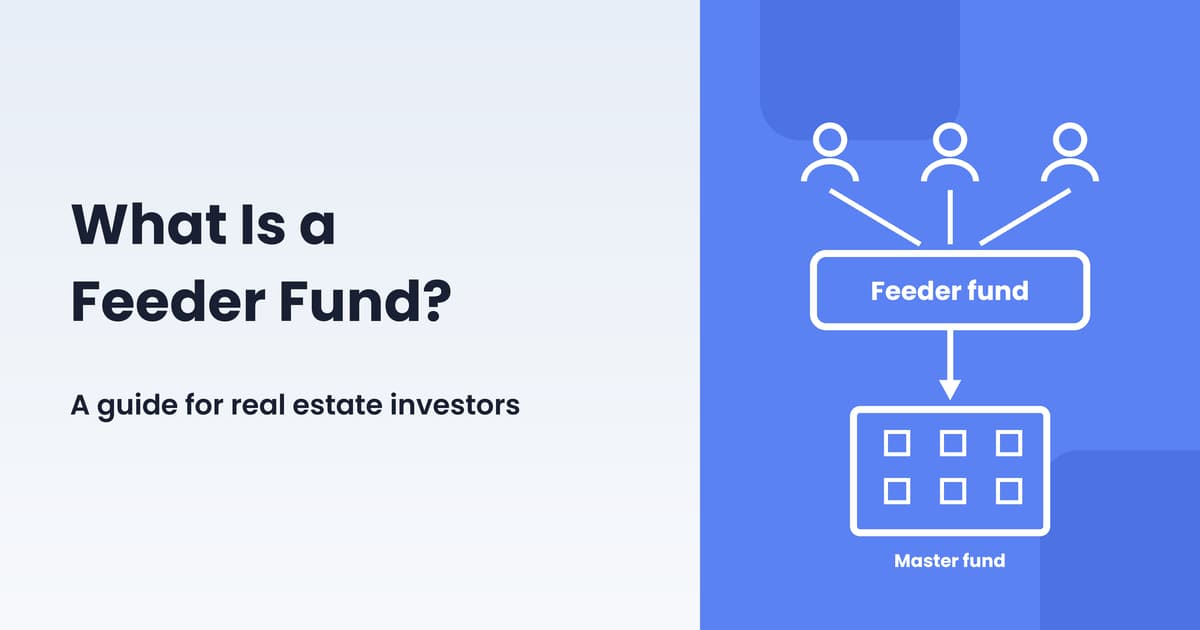
A feeder fund is an investment vehicle that pools capital from investors and invests that capital into another fund, called a master fund. That’s the whole mechanism. What makes it worth understanding is what the structure unlocks for sponsors, capital raisers, and investors. So this guide covers how feeder funds work. It also covers how […]
Most popular posts
 AI for Capital Raisers07/08/26 | Guides for syndicators
 Best CRM for Capital Raisers07/01/26 | Guides for syndicators
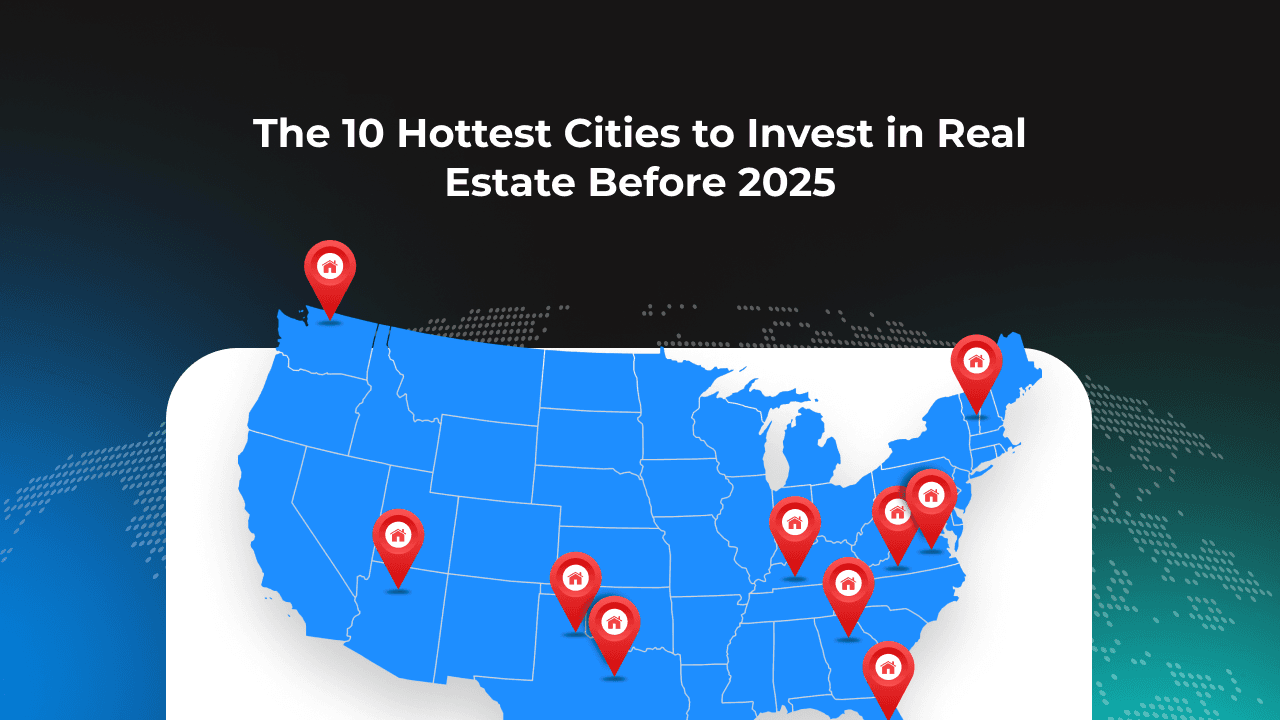 The 10 Hottest Cities to Invest in Real Estate Before 202507/20/22 | Announcements
 Bonus Depreciation for Real Estate Professionals09/09/21 | Passive investor guides
 Free tools to help you develop your real estate syndication blog in 202108/06/21 | Guides for syndicators
Categories


 Seattle, WA







Support
Contact usProducts
Capital raising
Why Cash Flow PortalEquity raising simplifiedFunds on Cash Flow PortalCo-sponsorsCustom brandingProperty management
BookkeepingBank syncQuickbooks integrationReportsOwner portalMaintenanceApplications & eSignTenant screeningCRMRent collectionTenant portalCommunicationFund admin
Fund administrationInstitutional fund administrationSPVsFund admin servicesIntegrated CPA servicesBanking
Integrated bankingLeads
New leads©2026 All rights reserved. Cash Flow Portal Inc.